

Vampire Familiars
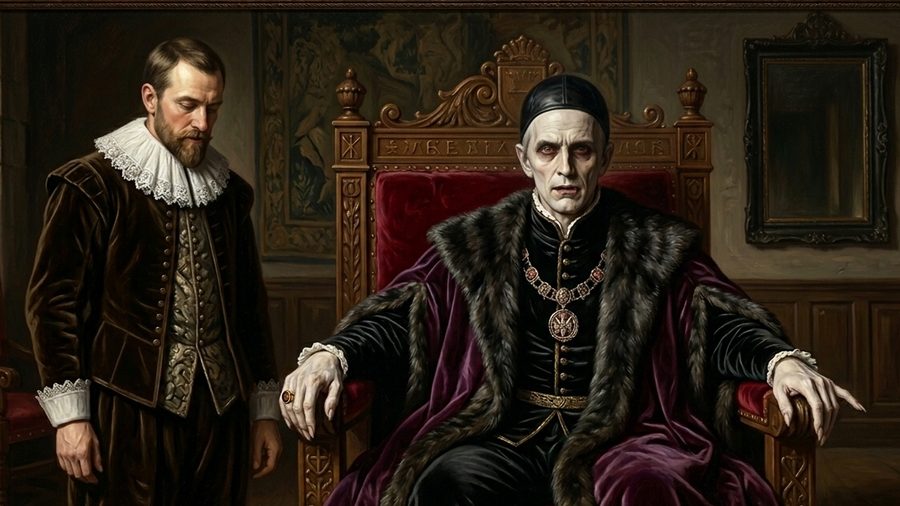
Familiars are civilians who assist vampires in their day-to-day lives. Historically, they performed a variety of tasks, from managing staff and property to organizing social events, but their most important responsibility was to obtain the fresh blood their masters needed to thrive.
Historical records indicate the presence of familiars in the ancient civilizations of Egypt, Greece, Rome, Japan and China, but it was in Europe of the Middle Ages that they truly became prominent. By then, many vampire clans had accrued massive wealth from their holdings in the banking, mining and real estate sectors, and they needed civilians to help them in their interactions with the outside world. And of course, to bring people to them to feed on.
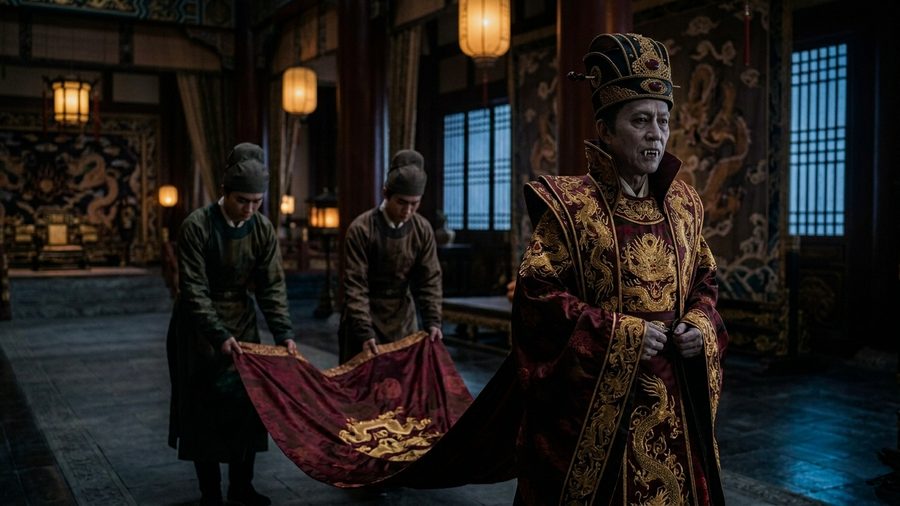
Beginning in the Middle Ages, vampires created a system of lineage wherein a trusted familiar would be encouraged to marry and have children. Some of the children would eventually replace their parents at the job, while the rest would be sent off to serve other vampires. Famous examples of such families were the Wangs of Ming Dynasty China and the Pazzis of Renaissance Italy.
Fledgling familiars typically underwent a trial period. If they passed, they would be officially inducted into the clan in a ceremony known as the Exortus, from the Latin word for “come forth,” in which they made a blood oath to serve the master until their dying day.
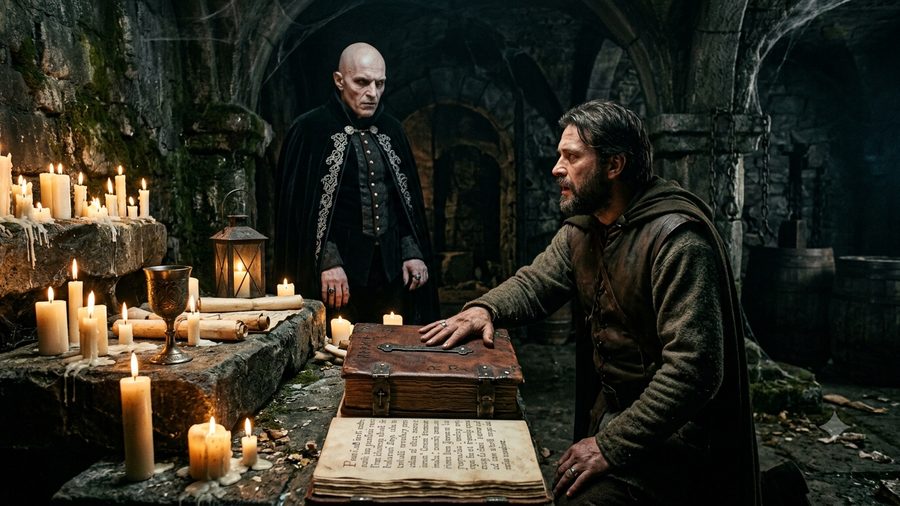
In return for a generous salary and comfortable living quarters, familiars would be expected to provide their master with at least one person a week to feed on. While prostitutes and beggars were the easiest targets, vampires preferred young blood, and so they took ownership in businesses that made it easier for their familiars to find suitable victims. For instance, on vampire-owned feudal farms, familiars would lure children into the forest and then spirit them away to the castle for the vampire's pleasure. The disappearances would be attributed to wolves or bears. Many a famous fairy tale was inspired by these kidnappings.
Vampires also funded foundling hospitals and orphanages that provided their familiars with an ample supply of young people who were less likely to be missed if they disappeared. In the event of an investigation, local officials looked the other way thanks to generous bribes.
Being a familiar was a high-pressure job. Those who failed to bring the master enough fresh blood often ended up as vampire food. Quitting was not an option. Familiars who fled were almost invariably hunted down and killed by someone within the vast vampire network.
The lineal system of familiars began to break down during the Industrial Revolution, as societal tolerance for vampires faded and families of familiars began to die out. The old system no longer worked, so vampires had to resort to active recruitment.

A notable example of this was the case of Gustav Stutzmiler, an Austrian solicitor, or lawyer, in 18th century Vienna. Stutzmiler was hired by a distinguished gentleman named Bernard Helfer to do some legal work for Helfer's boss, Count Ludwig von Falkenrath, a wealthy industrialist who lived on the sprawling Hetzendorf estate outside of Vienna. In his book, Stutzmiler recalled meeting the sickly looking, bedridden von Falkenrath one evening at Hetzendorf. “The overwhelming impression I got was of a man who had resigned himself to death, an event that appeared to be only days away.”
The young jurist ended up doing a variety of jobs for the count. He took dictation, carried documents to and from Vienna and handled purchases of valuable art and artifacts.
One of his favorite tasks was transporting boys from the Saint Leopold Institute, a large orphanage in Vienna founded by von Falkenrath, to Hetzendorf to work on the property's grounds and stables. Stutzmiler wanted to be a father one day and he enjoyed the rambunctious energy of the children.
After a year of part-time work, Stutzmiler accepted a full-time position and moved into a house overlooking Hetzendorf's artificial lake.
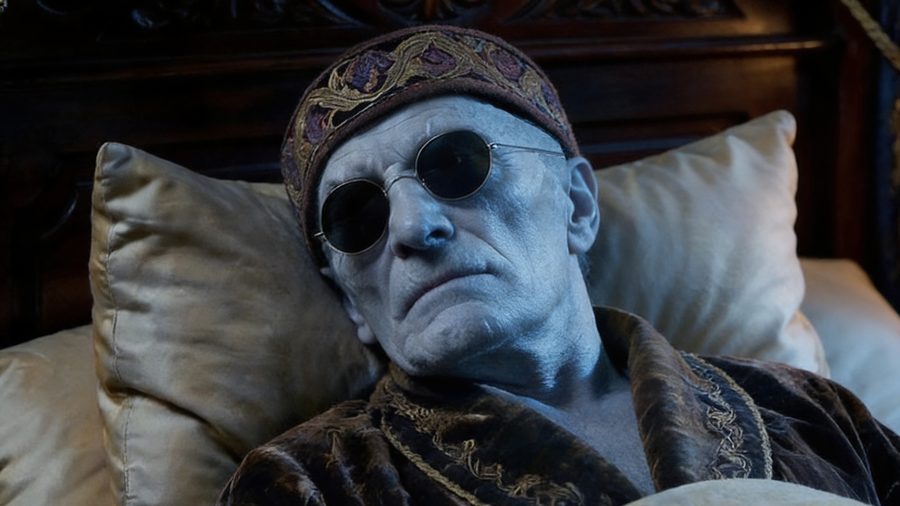
Stutzmiler's duties brought him into contact with the elite of Viennese society. He organized lavish masquerade balls at Hetzendorf and was on hand for the 1786 Vienna premiere of Wolfgang Amadeus Mozart's opera, The Marriage of Figaro, conducted by the master himself. The pleasures of the job helped distract Stutzmiler from the strange habits of his boss. Von Falkenrath was never seen in the daytime. He would only meet at night, and he always wore tinted eyeglass lenses; an accommodation for his glaucoma, according to Helfer. On nights when Stutzmiler would walk the estate gardens for exercise, he often observed the supposedly bedridden count moving about in the main house.
Even more concerning was the fact that several boys who Stutzmiler brought to Hetzendorf vanished, never to be seen again.
The situation came to a head late one summer night when Stutzmiler was awakened by shouting outside his window. He rushed downstairs to find a terrified boy in night clothes at his door babbling about a vampire. Stutzmiler recognized the child as part of a group he had transported from the orphanage only days earlier. Moments later, Helfer showed up and took the child away. The next day, Helfer explained that the child had been in the throes of a particularly vivid nightmare.
When the disappearances continued, Stutzmiler pressed Helfer on the issue, and the older man finally told him the truth: von Falkenrath, the charitable titan of industry, was actually a 200-year-old vampire, and Helfer was his chief familiar, and he was grooming Stutzmiler to take over his job.
Stutzmiler was appalled, even as Helfer tried to sell him on the benefits of the job. When he refused the offer, Helfer told him that he had no choice. “You already know too much,” Helfer said. “If you leave, they will find you. They have people all over the world.”
Despite Helfer's entreaties, Stutzmiler knew he couldn't be a partner to the murder of children. So, one night, he slipped into the main home, lit the curtains on fire and fled. He then piled the remaining children into a coach and sped away as the estate burned behind them. After dropping the children at the orphanage, Stutzmiler left a letter at police headquarters detailing all that he knew about von Falkenrath, and then he boarded a morning stagecoach bound for Italy.

Stutzmiler spent the next few months on the run, eventually landing in America and a small town in New York's Hudson River Valley. There, he completed his memoirs and submitted them to a publisher in New York City. The day he found out that his book would be published, he went to celebrate at a local tavern. He never made it home. The next morning, he was found in an alleyway. He had been disemboweled, and the vampiric symbol of a broken cross was scratched into his forehead.
Stutzmiler's memoirs, published posthumously as a work of fiction, became a best seller. It's unlikely anyone reading it knew that it was a true story.
In the decades that followed Stutzmiler's death, societal changes, along with the rise of vampire-fighting forces like the FVZA, reduced vampire numbers significantly. After World War II, most of the remaining vampires in Europe scattered to the United States and Central and South America.
Today, many are still deep in hibernation, waiting for the right moment to rise again. And when they do, they will undoubtedly find familiars to protect them. For as long as humans are subject to ambition and greed, the remaining vampire population, however small, will be able to find familiars to help them conduct their nefarious activities.
Return to The Science of Vampirism